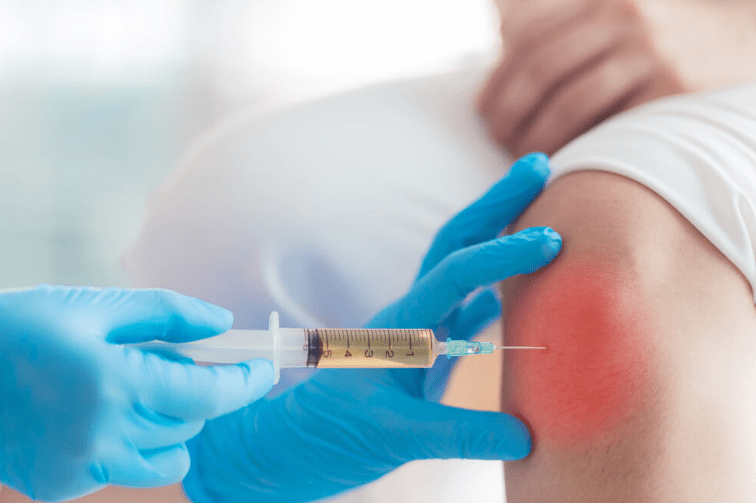
Regenerative joint injections have emerged as a promising treatment option for individuals suffering from various joint conditions. In Idaho Falls, Idaho, these injections have gained popularity due to their potential to promote healing and alleviate pain. This article provides a comprehensive guide to regenerative joint injections, including an overview of the procedure, the different types of injections available, the conditions they treat, the procedure and administration process, safety considerations, and a comparison to traditional treatments.
Types of Regenerative Joint Injections
A. Platelet-Rich Plasma (PRP) Injections
Platelet-rich plasma (PRP) injections involve the extraction and concentration of a patient’s own blood platelets, which are then injected into the affected joint. PRP contains growth factors that stimulate tissue repair and regeneration, accelerating the healing process. PRP injections have shown promising results in promoting joint healing and reducing pain in various conditions, including osteoarthritis and tendonitis. However, it is important to consider individual factors and limitations when determining the effectiveness of PRP injections.
B. Stem Cell Injections
Stem cell injections utilize the regenerative properties of stem cells to promote tissue repair and regeneration. Stem cells can be derived from various sources, including bone marrow, adipose tissue, and umbilical cord blood. These injections have the potential to enhance healing in conditions such as osteoarthritis, ligament injuries, and joint degeneration. However, the sourcing and administration of stem cells require careful consideration to ensure safety and effectiveness.
C. Other Regenerative Injections
In addition to PRP and stem cell injections, other regenerative injections, such as prolotherapy and amniotic fluid injections, are also used to treat joint conditions. Prolotherapy involves the injection of substances that promote inflammation and stimulate the body’s natural healing response. Amniotic fluid injections contain growth factors and cytokines that can aid in tissue repair. These alternative regenerative injections offer potential benefits but require further research to establish their effectiveness and safety.
IConditions Treated with Regenerative Joint Injections
Regenerative joint injections have shown promising results in treating a variety of conditions. In Idaho Falls, Idaho, patients suffering from osteoarthritis, tendonitis, ligament injuries, joint degeneration, and other relevant conditions have sought these injections for pain relief and improved joint function. The regenerative properties of PRP, stem cells, and other injections offer hope for individuals seeking non-surgical treatment options.
Procedure and Administration of Regenerative Joint Injections
A. Evaluation and Diagnosis
Before administering regenerative joint injections, a thorough evaluation and diagnosis of the patient’s condition are performed. Medical professionals in Idaho Falls, Idaho, assess the severity of joint damage, analyze medical history, and conduct imaging tests to determine the appropriateness of regenerative injections.
B. Preparation for the Procedure
Preparation for regenerative joint injections involves various steps, such as obtaining the necessary consent, explaining the procedure to the patient, and ensuring the patient’s comfort during the injection process. Additionally, any necessary precautions and contraindications are carefully considered.
C. Injection Technique
During the procedure, the medical professional uses specialized techniques to deliver the regenerative injection to the affected joint. These techniques may vary depending on the type of injection being administered. Precise placement and proper injection technique are crucial to ensure optimal outcomes.
D. Recovery and Follow-up Care
After receiving regenerative joint injections, patients in Idaho Falls, Idaho, are provided with post-injection care instructions. This may include recommendations for rest, physical therapy, and follow-up appointments to monitor progress and make any necessary adjustments to the treatment plan.
Safety, Risks, and Considerations
A. Potential Side Effects and Complications
While regenerative joint injections are generally considered safe, there are potential side effects and complications to be aware of. These may include infection, bleeding, and allergic reactions. Patients should be informed about these risks and closely monitored during and after the procedure.
B. Who Is a Suitable Candidate?
Determining the suitability of a patient for regenerative joint injections involves considering various factors such as the severity of the joint condition, overall health, and individual treatment goals. Medical professionals in Idaho Falls, Idaho, conduct thorough assessments to identify suitable candidates for these injections.
C. Precautions and Contraindications
Certain precautions and contraindications exist for regenerative joint injections. Patients with active infections, bleeding disorders, or certain medical conditions may not be suitable candidates. Additionally, the use of certain medications may need to be evaluated before undergoing the procedure.
Comparisons to Traditional Treatments
A. Non-Surgical Approaches
Regenerative joint injections offer an alternative to traditional non-surgical treatments such as physical therapy, anti-inflammatory medications, and corticosteroid injections. These injections aim to target the underlying cause of joint pain and promote healing, potentially providing longer-lasting benefits compared to temporary painrelief.
B. Surgical Options
In cases where conservative treatments fail to provide adequate relief, surgical options may be considered. However, regenerative joint injections offer a less invasive alternative to surgery for individuals in Idaho Falls, Idaho, seeking pain relief and improved joint function. They can be particularly beneficial for those who wish to avoid the risks and lengthy recovery associated with surgical interventions.
C. Pros and Cons of Regenerative Joint Injections
Regenerative joint injections come with their own set of advantages and limitations. The pros include their potential to promote tissue repair, reduce pain, and improve joint function. These injections are minimally invasive, have a low risk of adverse reactions, and can be performed on an outpatient basis. However, limitations such as variable effectiveness, the need for multiple injections, and the associated costs should also be considered.
Research and Evidence
A. Clinical Studies and Findings
Numerous clinical studies have investigated the effectiveness of regenerative joint injections. These studies have shown promising results, demonstrating the potential of PRP, stem cell, and other injections in promoting tissue regeneration and reducing pain. However, further research is needed to establish standardized protocols, compare different injection types, and evaluate long-term outcomes.
B. Success Rates and Long-Term Outcomes
The success rates and long-term outcomes of regenerative joint injections can vary depending on factors such as the type of injection, the severity of the condition, and individual patient characteristics. While many patients in Idaho Falls, Idaho, have reported significant pain relief and improved joint function, it is important to consider that individual responses may differ.
Future Directions
Regenerative joint injections offer a promising treatment option for individuals seeking relief from joint conditions in Idaho Falls, Idaho. The use of PRP, stem cells, and other regenerative injections has shown potential in promoting tissue repair, reducing pain, and improving joint function. However, further research is needed to establish standardized protocols, compare different injection types, and evaluate long-term outcomes. With ongoing advancements in the field of regenerative medicine, the future holds promise for further improving the effectiveness and accessibility of regenerative joint injections as a viable treatment option.
Conclusion
regenerative joint injections provide a valuable alternative for individuals with joint conditions in Idaho Falls, Idaho. These injections offer the potential for pain relief, improved joint function, and tissue regeneration. By understanding the different types of injections available, the conditions they treat, the procedure and administration process, safety considerations, and comparing them to traditional treatments, patients can make informed decisions about their treatment options. As research continues to advance, regenerative joint injections hold promise for the future of non-surgical joint treatment, providing hope for individuals seeking a path to pain-free living.