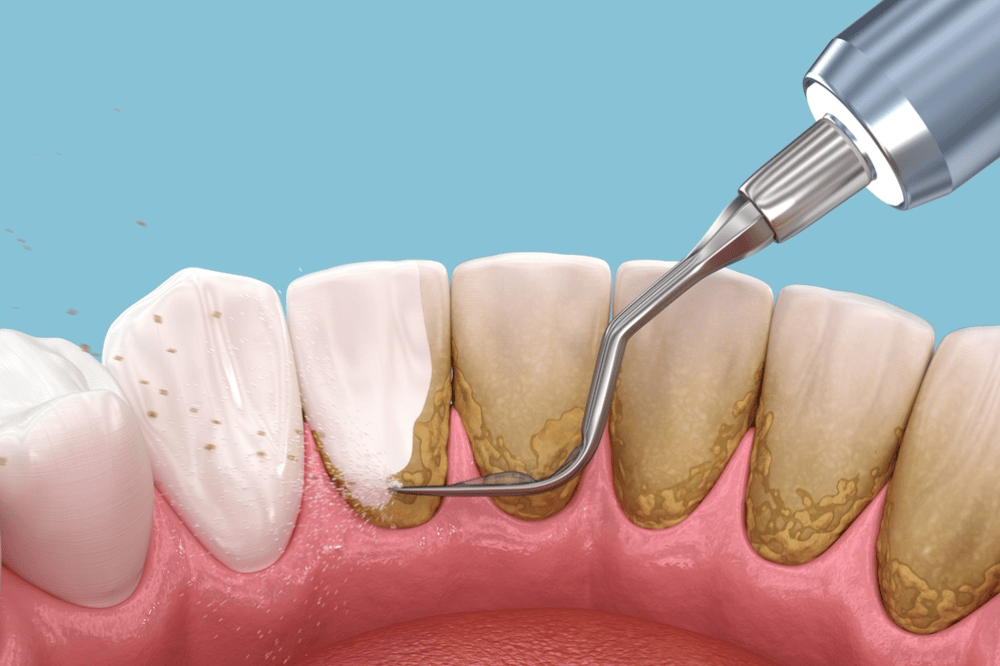
A professional dental cleaning removes plaque, tartar, and deposits that cannot always be removed effectively with normal brushing and flossing. A dentist in Peterborough can also use the cleaning appointment to assess gum health and identify areas that need additional attention.
The exact appointment varies according to your oral health. Some people need routine preventive cleaning, while others may require more involved periodontal care.
Why Is Professional Cleaning Necessary?
Brushing and flossing are essential, but plaque can remain in difficult-to-reach areas.
Health Canada explains that plaque is a sticky bacterial film that continually forms on teeth. If plaque is not adequately removed, it can contribute to gum infection and disease. Plaque can also harden into tartar, which requires professional removal.
Lotus Family Dental provides dental hygiene treatment in Peterborough as part of its preventive care services.
What Happens During a Dental Cleaning?
1. Oral Health Assessment
Depending on your appointment, the dental team may examine your teeth and gums and ask about symptoms or changes you’ve noticed.
This can help identify issues such as:
- Gum bleeding
- Plaque buildup
- Tartar
- Gum inflammation
- Areas that are difficult to clean
- Tooth sensitivity
- Signs that further dental assessment may be appropriate
2. Plaque and Tartar Removal
Professional cleaning focuses on removing deposits from the teeth.
Plaque is soft and can often be removed with daily brushing and flossing. Tartar, also called calculus, forms when plaque mineralizes and cannot be removed effectively with ordinary brushing.
Health Canada notes that tartar can be treated by an oral health professional using manual scaling tools or ultrasonic equipment.
3. Polishing
Depending on your appointment and clinical needs, the teeth may be polished after deposits are removed.
Polishing can help remove certain surface deposits and leave the tooth surfaces feeling smoother.
4. Oral Hygiene Guidance
Your dental professional may recommend ways to improve your home routine.
This can include advice about:
- Brushing technique
- Flossing
- Cleaning between teeth
- Fluoride use
- Areas where plaque tends to collect
- Gum health
Health Canada recommends brushing for about two minutes at least twice a day and cleaning between the teeth daily.
How Often Should You Have Your Teeth Cleaned?
There is no single interval that is appropriate for every patient.
The appropriate frequency depends on factors such as:
- Gum health
- Plaque and tartar buildup
- Previous periodontal problems
- Home-care routine
- Smoking or tobacco use
- Other health considerations
- Individual risk of oral disease
Some patients may have routine preventive appointments, while others may need a different schedule recommended by their dental professional.
Avoid treating “every six months” as a universal medical rule. Your dentist or dental hygienist can recommend a schedule based on your individual needs.
Can Professional Cleaning Fix Gum Disease?
A routine cleaning can help control plaque and tartar, but treatment depends on the severity and type of gum disease.
Health Canada explains that untreated gingivitis can progress to periodontitis, which affects the tissues and bone supporting teeth.
If gum disease is suspected, your dental professional may recommend a more specific periodontal treatment plan rather than a routine cleaning alone.
You can review the clinic’s periodontal treatment information for additional context.
Why Can Teeth Still Feel Dirty After Brushing?
A persistent dirty feeling can have several causes.
Possible explanations include:
- Tartar buildup
- Plaque remaining between teeth
- Areas being missed during brushing
- Gum inflammation
- Staining or surface deposits
- Food trapped between teeth
This is particularly relevant because Lotus Family Dental already has an article targeting the “dirty teeth” query, and that URL is performing strongly in GSC. Rather than creating a competing article, the existing article should be expanded and internally connected to this cleaning content.
Is Dental Cleaning Painful?
Many routine cleanings are well tolerated, but some patients may experience sensitivity, especially around inflamed gums or areas with heavy deposits.
Tell the dental professional if you experience discomfort. They can adjust their approach and discuss ways to make the appointment more comfortable.
Frequently Asked Questions
Does a dental cleaning remove tartar?
Yes. Professional cleaning can remove tartar using appropriate dental instruments. Tartar cannot be reliably removed with ordinary brushing alone.
Is brushing enough to keep teeth clean?
Brushing is essential but does not replace professional dental assessment and cleaning when these are recommended.
How often should I get my teeth cleaned?
The appropriate interval varies according to your oral health and risk factors. Your dental professional can recommend a schedule.
Does dental cleaning whiten teeth?
Cleaning can remove some external deposits and stains, which may make teeth look cleaner or brighter. It is not the same as professional tooth-whitening treatment.
Can cleaning stop gum disease?
Professional cleaning can help control plaque and tartar, but established gum disease may require additional periodontal treatment.
What if my gums bleed during cleaning?
Bleeding can be associated with gum inflammation. Tell your dental professional so they can assess the cause and recommend appropriate care.
Should children have professional dental cleanings?
Children can benefit from preventive dental care, with the frequency and services adjusted to their age and oral-health needs.
Conclusion
Professional dental cleaning is more than making teeth feel smooth. It helps remove plaque and tartar, supports gum health, and gives the dental team an opportunity to identify areas that may need attention.
For patients in Peterborough, you can request a dental appointment to discuss your cleaning and preventive-care needs.