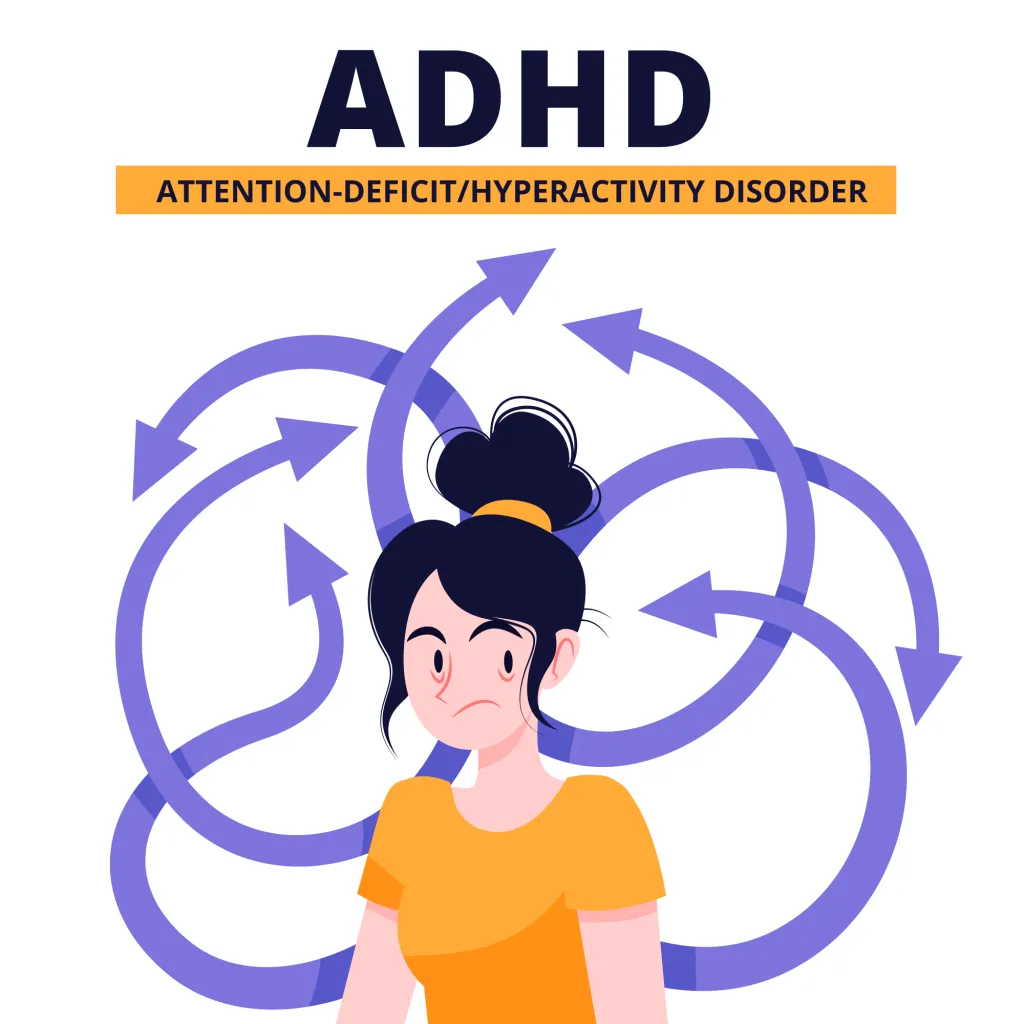
The neurodevelopmental illness known as attention-deficit/hyperactivity disorder (ADHD) is typified by recurrent patterns of impulsivity, hyperactivity, and inattention. Even though doctors frequently prescribe medication to treat symptoms, many people look for alternative solutions because they are worried about negative consequences, social stigma, or personal preferences. Thankfully, there are several of non-pharmacological techniques that can assist in controlling the symptoms of ADHD. Examining these options, which range from behavioral therapies to lifestyle adjustments, can provide people with ADHD the tools they need to succeed.
Recognizing ADHD
It’s important to comprehend ADHD and how it affects day-to-day functioning before exploring different ways. People with ADHD experience difficulties in a variety of areas, such as social, professional, and academic performance. Individuals diagnosed with ADHD frequently experience challenges related to planning, scheduling, impulsivity, and maintaining focus, which can impede their ability to finish tasks and reach objectives.
Changes in Lifestyle
Dietary Adjustments: According to research, several dietary adjustments may have a good effect on the symptoms of ADHD. Mood and energy levels may be regulated by incorporating a balanced diet high in fruits, vegetables, whole grains, and lean meats while consuming fewer processed foods and added sweets. Some people also find it helpful to avoid certain allergens like dairy and gluten.
Frequent Exercise: Exercise is crucial for managing ADHD since it has been demonstrated to enhance attention, executive function, and self-regulation. Exercises like yoga, swimming, and running can lower hyperactivity while also enhancing general wellbeing and lowering stress.
Sufficient Sleep: Insufficient sleep can worsen the symptoms of ADHD by causing impulsivity and irritation. Maintaining a regular sleep schedule and getting enough sleep might improve mental clarity and emotional balance.
Interventions Behavioral
The goal of cognitive-behavioral therapy, or CBT, is to recognize and alter unhelpful thought patterns and actions linked to ADHD. People can learn to efficiently control their emotions, enhance their organizational abilities, and manage their impulsivity by using strategies like behavioral reinforcement and cognitive restructuring.
Meditation and mindfulness:
Self-control and present-moment awareness are fostered by mindfulness practices, which are especially helpful for those with ADHD. Mindfulness-based interventions have been shown to decrease impulsivity and increase attentional focus by teaching participants to observe their thoughts and feelings without passing judgment.
Organized Routines and Visual Aids:
People with ADHD can benefit from organized and efficient time management by creating structured daily routines and making use of visual aids like calendars, planners, and reminder apps. Creating attainable goals and segmenting work into smaller, more manageable phases encourage productivity and lessen feelings of overload.
Changes in the Environment
Reducing Distractions:
For people with ADHD, it’s critical to create a space that supports focus. To improve focus and productivity, this may entail clearing out clutter, turning down the volume, and setting aside a particular area free from interruptions.
Using Assistive Technology:
There are a number of apps and technology tools available to help people with ADHD manage their symptoms. Using assistive technology can simplify daily tasks and encourage independence. Examples of such technology include text-to-speech software, noise-canceling headphones, task organizers, and time management apps.
Education and Social Support
Psychoeducation:
Educating oneself and loved ones about ADHD fosters understanding and empathy, reducing stigma and promoting acceptance. Understanding the neurobiological causes of ADHD and how it affects behavior can help people become more capable of advocating for themselves and creating useful coping mechanisms.
Support Groups:
Joining ADHD support groups or online communities provides individuals with a sense of belonging and validation. Connecting with others who share similar experiences fosters peer support, facilitates knowledge sharing, and offers practical tips for managing ADHD in daily life.
In summary
Managing ADHD without medication requires a comprehensive and individualized approach that addresses the unique needs and preferences of each individual. While medication may be beneficial for some, alternative strategies such as lifestyle modifications, behavioral interventions, environmental adaptations, and social support can significantly improve symptom management and overall well-being. By exploring these alternative approaches and incorporating them into daily life, individuals with ADHD can cultivate resilience, enhance self-efficacy, and thrive despite their challenges.