Water storage tank play a pivotal role in ensuring access to clean water for various purposes, ranging from domestic use to agricultural and industrial applications. This article explores the significance of water storage tanks, their diverse applications, and the importance of sustainable water management practices.
The Importance of Water Storage Tanks
Water storage tank are essential infrastructure components that help address water scarcity challenges by storing water for future use. These tanks serve as reservoirs, ensuring a reliable supply of water during periods of low rainfall or drought, thereby mitigating the risk of water shortages.
Types of Water Storage Tanks
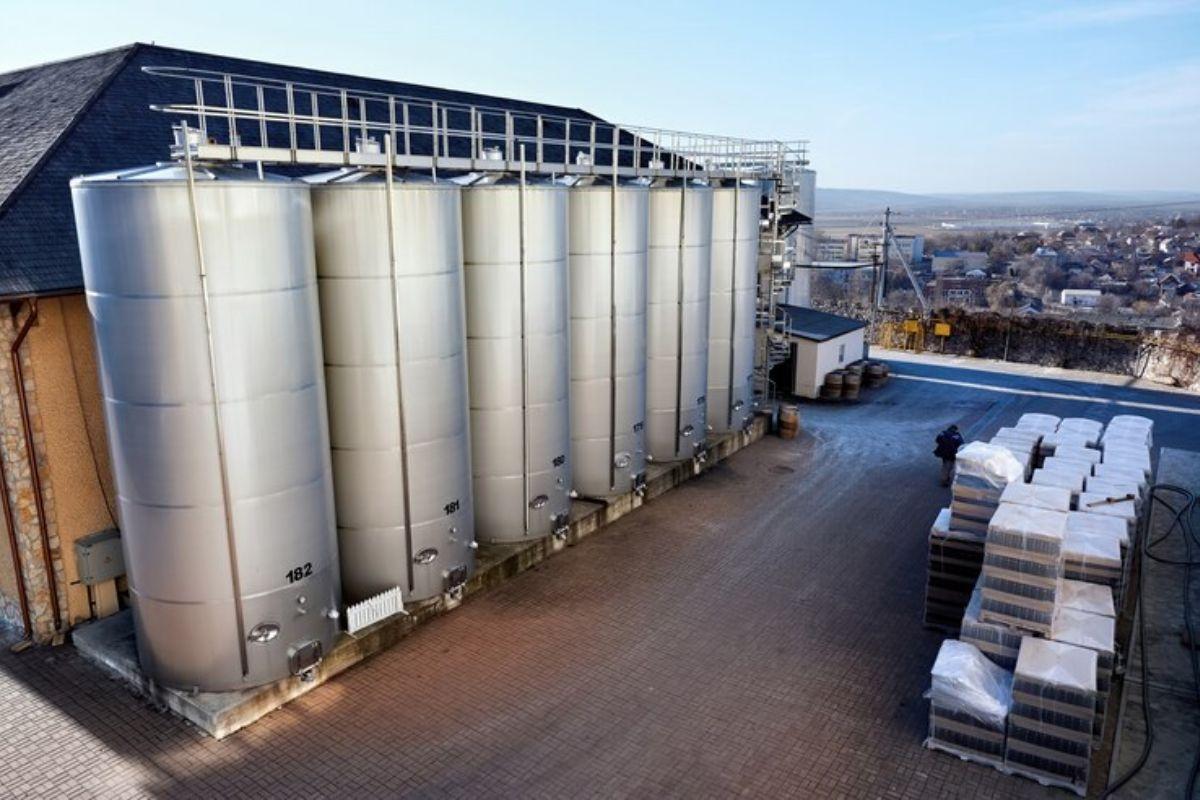
Water storage tanks come in various types and materials, each suited to different applications and environments. This section discusses common types of water storage tank, including polyethylene tanks, fiberglass tanks, and concrete tanks, highlighting their respective advantages and considerations.
- Polyethylene Tanks: Lightweight and durable, polyethylene tanks are popular for residential and small-scale water storage applications. They are resistant to corrosion and can be easily transported and installed.
- Fiberglass Tanks: Fiberglass tanks offer excellent strength and corrosion resistance, making them suitable for long-term water storage in harsh environments. They are often used in industrial and commercial settings where durability is paramount.
- Concrete Tanks: Known for their durability and longevity, concrete tanks are ideal for large-scale water storage projects. They can withstand high pressures and are commonly used for municipal water supply systems and agricultural irrigation.
Applications of Water Storage Tanks
Water storage tanks serve diverse applications across various sectors, contributing to water conservation and resource management. This section explores the key applications of water storage tank, including:
- Domestic Water Supply: Water storage tanks are essential for residential properties, ensuring a steady supply of water for drinking, cooking, bathing, and other household needs.
- Agricultural Irrigation: Farmers rely on water storage tank to store rainwater or irrigation water for crop irrigation, reducing dependency on seasonal rainfall and improving agricultural productivity.
- Industrial Processes: Industries utilize water storage tanks for various processes, such as cooling, manufacturing, and wastewater treatment, helping to conserve water resources and minimize environmental impact.
- Emergency Preparedness: Water storage tank play a crucial role in emergency preparedness, providing a reserve of potable water for communities during natural disasters or other emergencies when regular water supply systems may be disrupted.
Sustainable Water Management Practices
Incorporating sustainable practices into water storage and management is essential for preserving water resources and minimizing environmental impact. This section discusses various sustainable water management practices, including:
- Rainwater Harvesting: Installing rainwater harvesting systems allows for the collection and storage of rainwater for later use, reducing reliance on traditional water sources and lowering water bills.
- Water Recycling and Reuse: Implementing water recycling systems enables the treatment and reuse of wastewater for non-potable purposes, such as irrigation, industrial processes, and toilet flushing, conserving freshwater resources.
- Efficient Water Distribution: Employing efficient water distribution systems, such as drip irrigation and low-flow fixtures, helps minimize water waste and optimize water use efficiency in both residential and commercial settings.
- Community Education and Outreach: Educating communities about water conservation practices and the importance of responsible water use fosters a culture of sustainability and encourages individuals to play an active role in water conservation efforts.
Factors to Consider When Choosing Water Storage Tanks
Selecting the right water storage tank requires careful consideration of various factors to ensure optimal performance and longevity. This section outlines key factors to consider when choosing water storage tank, including:
- Capacity: Assessing the required storage capacity based on water demand and usage patterns is crucial to avoid under- or over-sizing the tank.
- Material Compatibility: Consider the compatibility of the tank material with the stored water and environmental conditions to prevent contamination or deterioration.
- Installation Requirements: Evaluate installation requirements, such as space availability, foundation preparation, and accessibility for maintenance, to ensure seamless integration into existing infrastructure.
- Cost and Lifecycle Considerations: Compare upfront costs with long-term maintenance and replacement expenses to make informed decisions about the most cost-effective option over the tank’s lifecycle.
Maintenance and Care of Water Storage Tanks
Proper maintenance and care are essential for maximizing the lifespan and performance of water storage tank. This section provides guidelines for maintaining water storage tanks effectively, including:
- Regular Inspection: Conduct routine visual inspections of the tank interior and exterior for signs of damage, corrosion, or leaks, and address any issues promptly to prevent further deterioration.
- Cleaning and Disinfection: Schedule periodic cleaning and disinfection of water storage tank to remove sediment, algae, and microbial contaminants that may affect water quality.
- Structural Integrity Checks: Periodically assess the structural integrity of the tank, including seals, fittings, and support structures, to identify and address any potential weaknesses or vulnerabilities.
- Water Quality Testing: Implement a water quality testing program to monitor the microbial and chemical composition of stored water, ensuring compliance with regulatory standards and maintaining water safety.
- Emergency Preparedness: Develop contingency plans and emergency protocols for responding to incidents such as leaks, overflows, or contamination events, to minimize potential risks and mitigate adverse impacts on water quality and supply.
- Training and Documentation: Provide training for personnel responsible for water storage tank maintenance and upkeep, and maintain comprehensive documentation of maintenance activities, inspections, and water quality test results for regulatory compliance and historical reference.
- Environmental Considerations: Incorporate environmentally friendly practices into tank maintenance, such as proper disposal of cleaning agents and wastewater, to minimize negative impacts on surrounding ecosystems and water resources.