



Why Use Tarpaulins for Vehicle Storage?
Tarpaulins provide an affordable and effective solution for vehicle storage. There are several key benefits to using tarpaulins for storing vehicles:
Protection from UV Rays
Tarpaulins block harmful ultraviolet (UV) rays from the sun that can damage paint, plastic trim, and upholstery over time. Prolonged sun exposure causes faded paint and cracks in plastic. Tarping your vehicle keeps UV rays from penetrating the exterior.
Weather Protection
Tarpaulins protect vehicles from rain, snow, hail, and other forms of precipitation. Moisture can cause rust on bare metal parts and deteriorate rubber seals and gaskets if left unattended. Tarps provide a barrier from the elements.
Debris Protection
Tarps keep vehicles clean and debris-free when stored outdoors. Things like tree sap, bird droppings, and airborne dirt won’t collect on the exposed paint surfaces and wheel wells underneath a securely installed tarp. This prevents potential damage from harsh chemical removers needed for cleaning.
Reduced Theft Potential
With a tarp disguise, vehicles under storage are less likely to catch the eye of opportunistic thieves casing a property. Out of sight offers some degree of added protection against would-be car thieves looking for an easy target.
Choosing the Right Tarpaulin Material
When selecting the best tarpaulin material for vehicle storage, there are several important factors to consider:
Weather Resistance
For storing vehicles outdoors long-term, the Tarpaulin requires strong resistance to UV exposure, rain, snow, and other weather damage. PVC and composite materials generally offer the best UV and water protection.
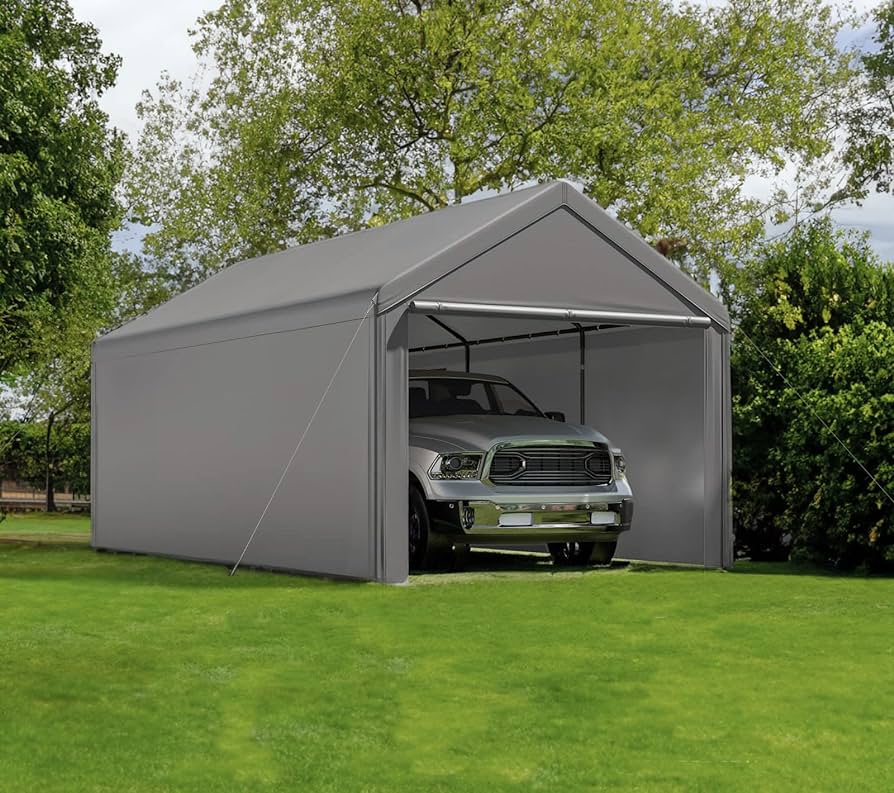
Durability
The Heavy Duty Tarpaulin should withstand windy conditions and prevent tearing to provide coverage for the expected storage duration. Reinforced fabric and PVC materials have higher durability.
Weight
Heavier materials like PVC may require additional hardware for securing vehicles. Lighter poly and composite options are easier to install and remove.
Breathability
In high-humidity environments, breathable tarps like poly prevent moisture accumulation underneath. Non-porous PVC could lead to surface issues over time.
Price
Light-duty poly is usually cheapest while heavy-duty PVC or reinforced fabrics have higher costs. Consider your long-term needs versus your initial budget.
Proper Tarpaulin Installation
Correct installation of the tarpaulin is important to ensure proper coverage and secure protection of the stored vehicle:
Preparation
Before installing the tarp, clean the vehicle surfaces and inspect for any existing damage that requires repair. Lay the tarpaulin out flat on the ground and center it over the vehicle.
Grommets and Ropes
Plastic or rubber grommets installed around the tarp edge can be threaded with ropes or cords which are then tied to the vehicle frame.
Snap Buttons
Some tarps feature snap fasteners every few feet along edges that pop together when pressed.
Straps with Buckles
Buckle straps sewn into the tarp hem can tighten down and wrap underneath the vehicle.
Troubleshooting and Maintenance
To ensure the tarpaulin protects for the full storage period, it’s important to properly maintain it. Here are some tips:
Inspect Periodically
Check the tarp a few times each season for loose straps, punctures, tearing, or other damage. Attend to any issues right away.
Tighten Straps as Needed
Over time, tarp straps and ropes may loosen from weather exposure. Ensure the tarp remains taut by tightening it accordingly.
Clean off Debris
The buildup of leaves, pollen, or dirt can be hosed off to maintain visibility and prevent cracking of the material over time.
Dry Completely
If hosing off the tarp, be sure to allow it to fully air dry before rolling up. Storing a damp tarp can lead to mildew issues.
Store Properly
When not in use, rolling the tarp tightly and securing it in a cool, dry location will extend its usable life for future seasons of storing vehicles.
Types of Tarpaulins for Vehicle Storage
There are several main types of tarpaulin materials used for vehicle storage solutions. Each has its distinctive properties to consider for different storage needs and environments:
PVC Tarpaulins
PVC (polyvinyl chloride) tarpaulins are durable, waterproof, and offer UV protection. They are commonly used for storing vehicles due to their longevity in outdoor conditions. However, PVC is not breathable, so trapped moisture may cause surface issues over time. PVC tarps also tend to be heavier duty with higher price points compared to other materials.
Polyethylene Tarpaulins
Polyethylene (poly) tarpaulins are lightweight and water-resistant making them a practical option for most applications. Though less durable than PVC, poly tarps are more flexible and breathable. This allows moisture to escape, reducing condensation buildup underneath. Poly is a more affordable choice for basic weather protection of stored vehicles.
Composite Material Tarpaulins
Composite material tarps like poly-coated woven polypropylene combine the qualities of both poly and PVC materials. They feature waterproof polyvinyl coatings for protection with an interior woven poly layer for added strength and reduced noise in windy conditions compared to basic poly tarps.
Fabric-Reinforced Tarps
Fabric-reinforced tarps like poly-coated Oxford weave fabrics mix durability with breathability. The woven Oxford interior adds tear resistance while a polyvinyl coating on the outer surface makes the tarp waterproof. Reinforced fabric tarps are very durable for long-term vehicle storage applications.
Read More Articles From: https://losanews.com/


 rays from the sun that can damage paint, plastic trim, and upholstery over time.)