Technical precision is quite essential in construction. But when it comes to assisted living environments, emotional intelligence becomes just as critical. These spaces are not simply built. They are lived in, relied upon, and remembered. At Baybrook Remodelers, this understanding informs every decision. Their work in assisted living and inclusive housing is guided by empathy, regulatory mastery, and thoughtful design. It is a unique intersection of construction and care.
A Deeply Qualified Partner
Baybrook Remodelers holds active licensing and insurance across Connecticut, Massachusetts, and Rhode Island. This regional breadth reflects not only their capacity to operate under different state guidelines, but also their commitment to maintaining compliance at every stage of the build. More importantly, it positions them as a trusted partner for developers and administrators operating multiple facilities across state lines.
All staff members undergo mandatory background checks and drug screenings. This protocol is not just about formality but a measure of respect for the dignity and safety of the residents who will occupy these spaces. In projects that often involve vulnerable populations, from memory care patients to individuals requiring physical assistance, there is no room for compromise.
Expertise That Translates to Sensitivity
Baybrook does not simply build to code. They build with comprehension. Their management team is certified in dementia awareness. This influences how they plan spaces, from minimizing visual clutter to designing layouts that support wayfinding and reduce confusion.
Their workers are trained in lead-safe practices, a necessity when renovating older properties that might expose residents to harmful materials. An in-house state-licensed building inspector manages all permitting requirements, ensuring that each job adheres strictly to local standards. This streamlines communication with authorities and eliminates costly delays.
Designing with Care
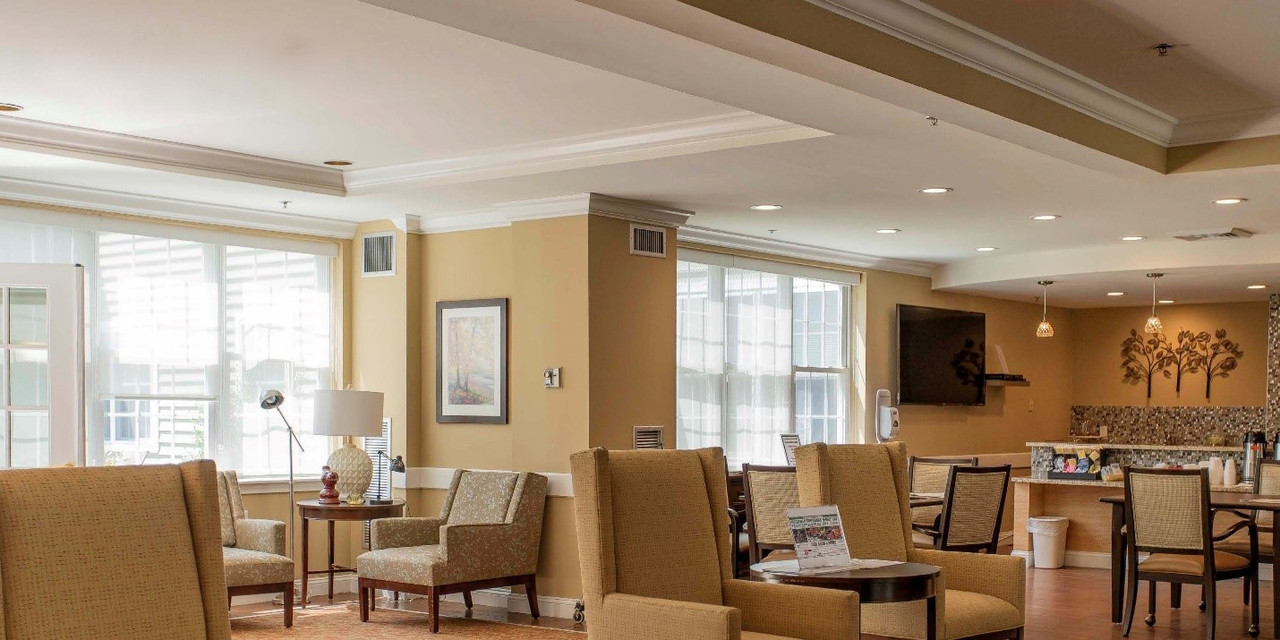
Assisted living design is as much about usability as it is about comfort. Baybrook approaches each project with an understanding of how aging residents move, rest, and interact with their surroundings. They incorporate thoughtful features like non-slip flooring, widened doorways, and accessible fixtures that blend into the design without announcing their function.
Lighting is another priority. By maximizing natural light and supplementing it with warm, balanced interior lighting, they help improve mood and circadian rhythm. Quiet HVAC systems reduce agitation in memory care residents, while neutral palettes with gentle contrast help with depth perception and spatial recognition.
Baybrook also employs pre-construction 3D modeling to involve stakeholders before building begins. This process allows facility directors, caregivers, and even resident family members to preview and approve design elements. Feedback is not only welcomed. It is actively solicited. The result is an environment that reflects both professional standards and lived experiences.
Operational Flexibility That Facilities Depend On
One of Baybrook’s key strengths lies in its ability to adapt to active care environments. They understand that construction cannot disrupt resident safety or staff routines. Their team offers 24/7 emergency service and direct communication throughout every project. Unlike many contractors, Baybrook does not route clients through voicemail or delayed channels. When something needs attention, it is handled directly.
For facilities undergoing renovations while still in operation, Baybrook provides structured room-turnover plans. These allow multiple units to be renovated on a tight schedule with minimal disruption. Crews are trained to work efficiently and discreetly within live environments. Dust control, noise reduction, and strict clean-up protocols are all non-negotiable.
Technology That Serves the Human Element
Baybrook Remodelers integrates technology in ways that make post-construction management easier. One of their most innovative tools is the use of QR codes assigned to each project. These codes link to a digital inventory of installed products, warranty terms, and cleaning instructions. Maintenance teams and administrators can access everything they need without combing through folders or invoices.
This transparency extends into their contracts as well. Unlike generalized project outlines, Baybrook provides detailed scopes, itemized budgets, and precise timelines. Every element is reviewed with clients before construction begins. Surprises are replaced with predictability, which is invaluable when managing resident care alongside capital improvements.
Value Without Compromise
While quality often comes at a premium, Baybrook’s pricing model is structured for value. Because they self-perform many aspects of the construction process, from carpentry to finishing, they reduce dependency on third-party subcontractors. This keeps costs in check and timelines under control.
Moreover, their long-standing supplier relationships allow them to source materials at competitive rates without sacrificing quality. They pass these efficiencies on to clients, making it possible for facilities to stretch budgets without stretching timelines.
The five-year limited workmanship warranty that accompanies each assisted living project is not a marketing gimmick. It is a reflection of long-term accountability. Facilities are not left to manage post-construction concerns on their own. Baybrook remains available, accessible, and responsive.
Case in Point: Responsive Design in Action
At one recent assisted living community, Baybrook was tasked with redesigning a cluster of residential suites to meet ADA standards while improving aesthetics. The existing layout was confusing, especially for residents with memory challenges. Working closely with the facility’s occupational therapists, Baybrook adjusted the corridor lighting, simplified visual cues, and introduced gentle transitions between communal and private areas.
The result was more than a physical transformation. Staff reported fewer incidents of agitation and wandering. Families commented on how the space felt less clinical and more like home. It was a testament to what happens when construction is aligned with care philosophy.
Building for People, Not Just Projects
When we talk about assisted living construction, Baybrook Remodelers brings something that cannot be quantified easily. They bring understanding. They recognize that every square foot carries emotional weight, personal history, and daily functionality. Their projects reflect an ethos that prioritizes the user experience from day one.
By combining regulatory expertise, design sophistication, and emotional insight, Baybrook has set a new standard for what compassionate construction can look like. Their work does not just improve buildings. It changes the lives of those who live and work within them.