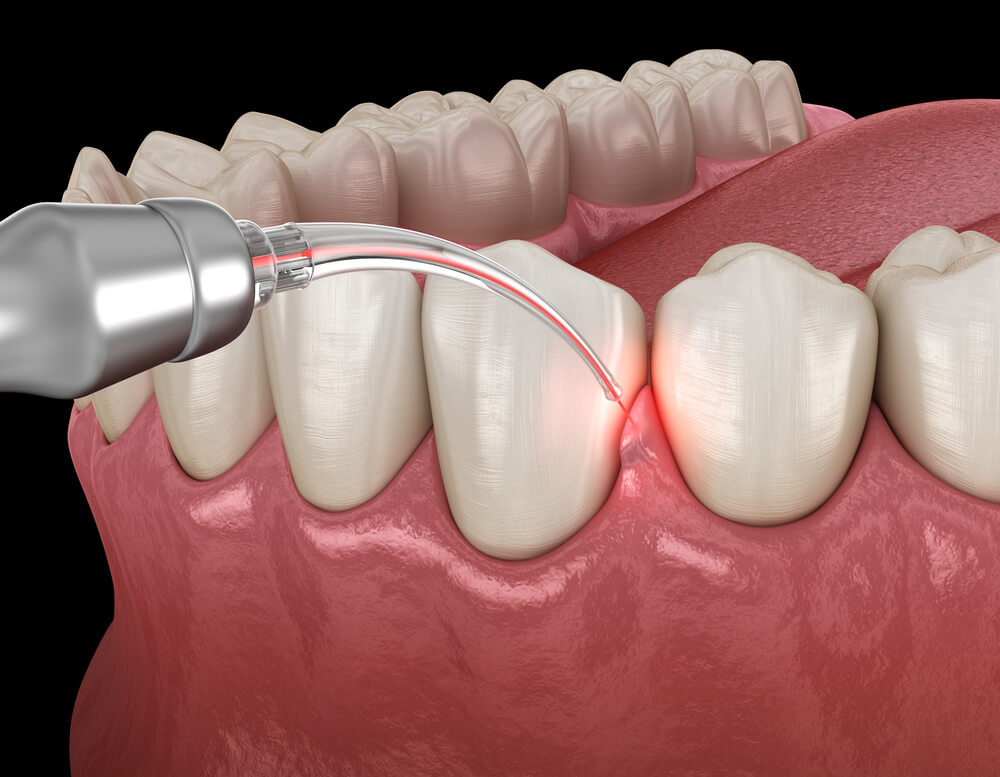
Gum Procedure
Gum Procedure Maintaining optimal oral health goes beyond simply caring for your teeth; your gums play a vital role as well. Gum procedures are specialized treatments designed to address various gum issues, ranging from gum disease to cosmetic concerns. In this comprehensive guide, we will explore the different types of gum procedures, their benefits, and what to expect during the treatment process.
What IS Gums Procedure:
Gum Procedure Whether you are seeking to enhance your smile or restore gum health, understanding these procedures will empower you to make informed decisions and take control of your oral well-being.
Scaling and Root Planing:
Scaling and root planing, also known as deep cleaning, is a non-surgical gum procedure used to treat gum disease. It involves removing plaque and tartar from above and below the gum line, along with smoothing the tooth roots to eliminate bacterial buildup. By thoroughly cleaning the affected areas, scaling and root planing help reduce inflammation, promote gum reattachment, and prevent further damage to the supporting structures of the teeth. Local anesthesia may be used to ensure a comfortable experience. Following the procedure, regular maintenance and good oral hygiene practices are essential to prevent the recurrence of gum disease.
Gingival Grafting:
Gingival grafting is a surgical gum procedure that addresses gum recession, a condition where the gum tissue pulls back from the teeth, exposing the root surfaces. During the procedure, the periodontist harvests a small amount of tissue from the patient’s palate or uses a donor source to create new gum tissue. This tissue is then placed over the exposed areas, covering the roots and restoring a healthy gum line. Gingival grafting not only improves the aesthetics of the smile but also protects the tooth roots, reduces sensitivity, and prevents further recession. After the procedure, patients may experience some discomfort, which can be managed with prescribed pain medication. Adhering to post-operative instructions and maintaining good oral hygiene is crucial for a successful recovery.
One of the most well-known and proven health benefits of kiwi is its tremendous capacity for boosting the immune system.
Crown Lengthening:
Crown lengthening is a gum procedure that involves removing excess gum tissue and, in some cases, bone to expose more of the tooth’s surface. This procedure is performed when there is insufficient tooth structure visible above the gum line, often due to excessive gum tissue or a tooth fracture below the gum level. Crown lengthening may be necessary for both functional and cosmetic reasons. From a functional standpoint, it allows for the placement of dental restorations, such as crowns or bridges. Cosmetically, it can create a more balanced and harmonious smile by revealing more of the tooth structure. The procedure is typically performed under local anesthesia, and patients may experience mild discomfort and swelling afterward. Proper aftercare, including pain management and adherence to oral hygiene practices, is crucial for optimal healing.
Conclusion:
Gum procedures are essential for maintaining healthy gums, preventing disease, and enhancing the aesthetic appeal of your smile. Whether you require treatment for gum disease, want to address gum recession, or desire a more balanced smile, understanding the different gum procedures available is key. By working closely with a skilled periodontist or oral surgeon, you can restore oral health, boost your confidence, and enjoy the numerous benefits of healthy gums. Remember, regular dental check-ups and diligent oral hygiene are vital for long-term gum health. Embrace the opportunity to take control of your oral well-being and embark on a journey towards a healthier, more beautiful smile.
Gums Procedure How Its Work?
Gum procedures work by addressing specific issues related to the gums, such as gum disease, gum recession, or the need for crown lengthening. The specific approach and techniques used may vary depending on the type of procedure and the individual patient’s needs. Here is a general overview of how some common gum procedures work:
Scaling and Root Planing:
- The dentist or dental hygienist will use specialized instruments to remove plaque and tartar from above and below the gum line.
- The process may involve manual scaling with handheld tools or ultrasonic instruments that use vibrations to break up the buildup.
- Root planing involves smoothing the tooth roots to eliminate rough surfaces where bacteria can accumulate.
- Local anesthesia may be administered to ensure patient comfort during the procedure.
- Antibiotics or antimicrobial agents may be applied to the gums to further reduce bacteria and promote healing.
- After scaling and root planing, the patient is typically advised on maintaining good oral hygiene practices and may require periodic follow-up visits for ongoing monitoring and maintenance.

Gingival Grafting:
- The periodontist will determine the need for gum grafting based on the extent of gum recession and the patient’s specific situation.
- The procedure can use tissue harvested from the patient’s palate (autograft) or synthetic grafting materials.
- The grafting material is carefully placed over the areas of recession, covering the exposed root surfaces.
- Sutures may be used to secure the graft in place and aid in healing.
- Over time, the grafted tissue integrates with the existing gum tissue, providing a healthier and more esthetically pleasing gum line.
- Post-operative instructions may include recommendations for pain management, diet, and oral hygiene practices to ensure proper healing.
Crown Lengthening:
- The periodontist or oral surgeon will evaluate the need for crown lengthening, typically through clinical examination and diagnostic imaging.
- The procedure may involve the use of local anesthesia to numb the area being treated.
- The excess gum tissue and, in some cases, bone are carefully removed to expose more of the tooth structure.
- The surgeon may shape and contour the remaining gum tissue to create a natural-looking gum line.
- Sutures may be placed to aid in healing.
Final Words:
Following the procedure, patients are given instructions for post-operative care, including pain management, oral hygiene practices, and dietary restrictions if necessary.
It’s important to note that gum procedures are often tailored to the individual’s specific needs and may vary in complexity and duration. The treatment process and recovery time can differ for each patient, so it’s crucial to consult with a qualified dental professional who can provide personalized guidance and care.